
Costs
Second-generation space: why it saves serious money
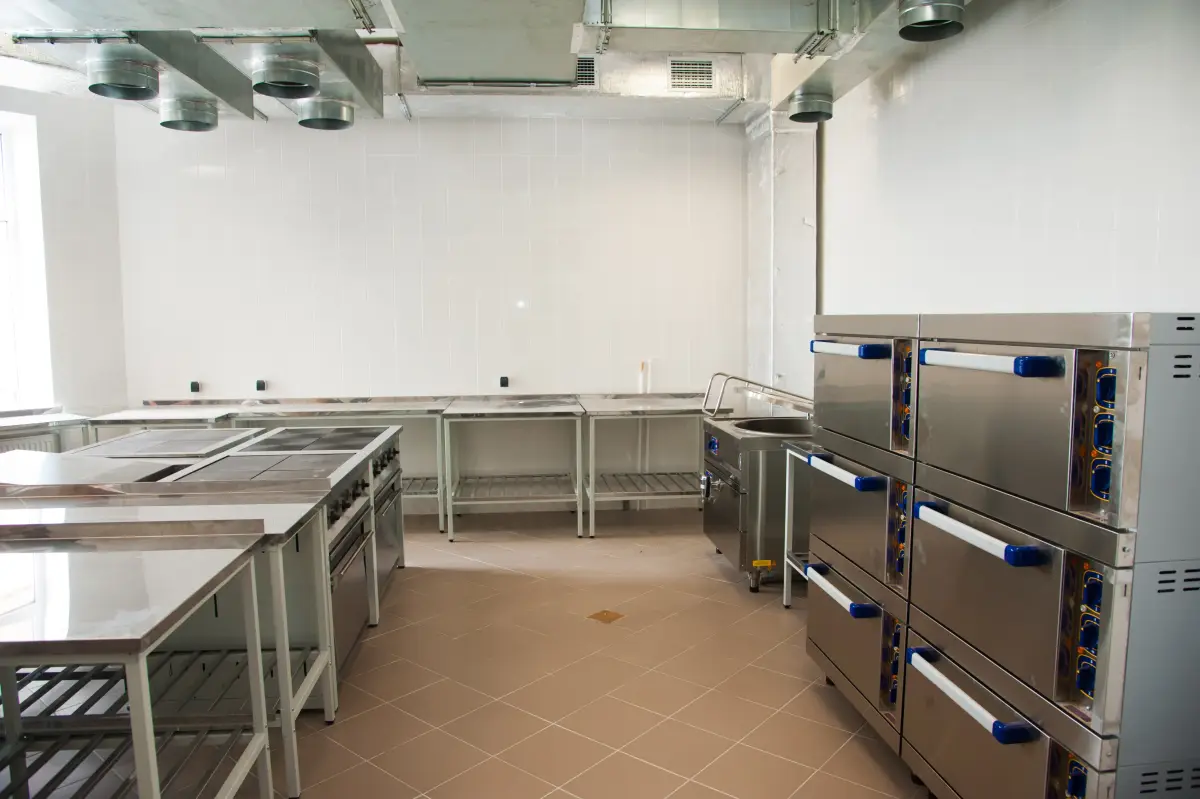
First-generation vs second-generation, in plain words
First-generation space is a raw shell: it has never been built out for anyone. Second-generation space has lived a life already; a previous tenant built walls, ran ductwork, installed restrooms, maybe installed a commercial kitchen. When your business can reuse what the last tenant left behind, you are buying construction someone else already paid for.
The effect is not subtle. Retail analytics firm GrowthFactor puts second-generation space with existing like-use infrastructure at 30 to 50 percent cheaper to build out than first-generation. ICSC, the shopping center industry's trade organization, has reported that repurposing a space for a like use runs about half the cost and a third of the time of building out for a brand new category. And the only true industry survey we know of, the RestaurantOwner.com member survey, showed the same shape in actual medians: remodeling an existing restaurant space cost members a median $275,500, remodeling a non-restaurant space $425,500, and new construction $650,000.
Where the money actually hides
For restaurants the big three are the hood, the grease interceptor and the HVAC. Modern Restaurant Management reports that reusing an existing hood and ventilation system, grease trap or HVAC can save more than $100,000 by itself. Those systems are expensive precisely because they are infrastructure: they involve roof penetrations, fire suppression, underground plumbing and serious mechanical capacity. Our hood and grease trap explainer covers why they cost what they cost.
The same logic applies beyond food service. A salon moving into a former salon inherits a plumbing wall. A dental practice taking over a former dental suite inherits operatory plumbing and shielding that would otherwise be five figures per room. A fitness studio inheriting showers and upgraded HVAC skips two of its biggest line items.
The time savings are just as real
Nation's Restaurant News reports franchisees opening in about 3 months in second-generation restaurant space versus 6 to 9 months for a new buildout, and some report saving up to half their initial investment. Faster opening is not just convenience; it is months of revenue on the right side of the ledger and months of rent not spent on an unopened store.
The catches, honestly
- Old equipment is not free equipment. A fifteen-year-old rooftop unit or a corroded grease trap can cost more to nurse along than to replace. We inspect before we assume.
- The code category has to hold. The savings assume like-for-like use. Convert a retail space to a restaurant and you have a change of occupancy, which can trigger new-construction egress requirements and more; our change of use guide explains when that happens.
- Capacity is a hard limit. Electrical service, water and sewer capacity, parking counts. If the last tenant's demand was lower than yours, "existing infrastructure" may still need upgrades, and utility capacity fees can apply to the increase.
- Layouts fight back. Inheriting walls only helps if the walls are where you want them. Sometimes selective demolition of a second-generation space plus reuse of its MEP systems is the sweet spot.
How we evaluate a second-generation space
Before you sign, we walk the space and separate what is genuinely reusable from what only looks reusable: mechanical age and capacity, electrical service size, plumbing condition, hood and suppression certification status, accessibility condition, and whether your use keeps the same occupancy classification. The output is a written scope with real numbers, the same discipline we brought to the Fresh Monkee buildout in Sarasota. In a market as tight as ours, with two-county retail vacancy around 3.5 percent per a December 2025 market report, most tenants end up adapting existing space; the winners are the ones who priced the adaptation before signing.
Second-generation space questions
What does second-generation space mean?
First-generation space is a raw shell that has never been finished for any tenant. Second-generation space was previously occupied, so it already has infrastructure: HVAC, electrical distribution, restrooms, and, if the prior tenant was the same kind of business, specialized equipment infrastructure like a kitchen hood or plumbing stations.
How much does second-generation space actually save?
Published figures converge around large savings for like-for-like reuse: GrowthFactor puts second-generation space with existing infrastructure at 30 to 50 percent cheaper than first-generation, ICSC coverage reports a like-use repurpose at roughly half the cost and a third of the time, and Modern Restaurant Management reports that reusing a hood, grease trap or HVAC can save more than $100,000 on its own.
What is the catch?
The savings depend on the old infrastructure actually being reusable and the use staying in the same code category. Aged equipment, undersized electrical service, or a change of occupancy classification can erase the advantage, which is why we walk second-generation spaces before you sign and verify what is really reusable.
Free on-site estimates
Ready to plan your buildout?
Tell us about the space. The licensed contractor walks it with you, measures, and gives you a written scope and price. No obligation.
- Written pricing
- Permits handled
- 3-Year warranty